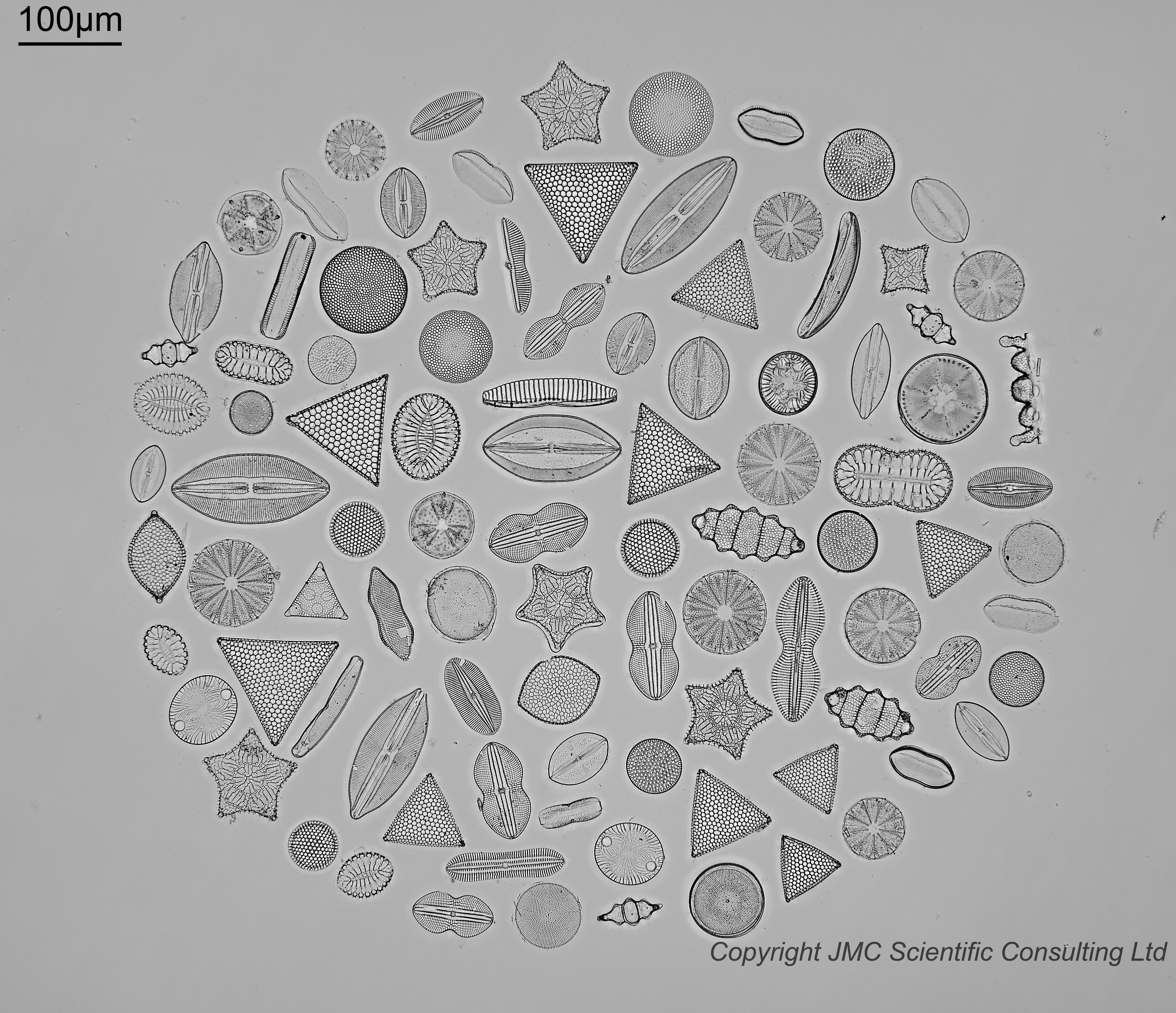
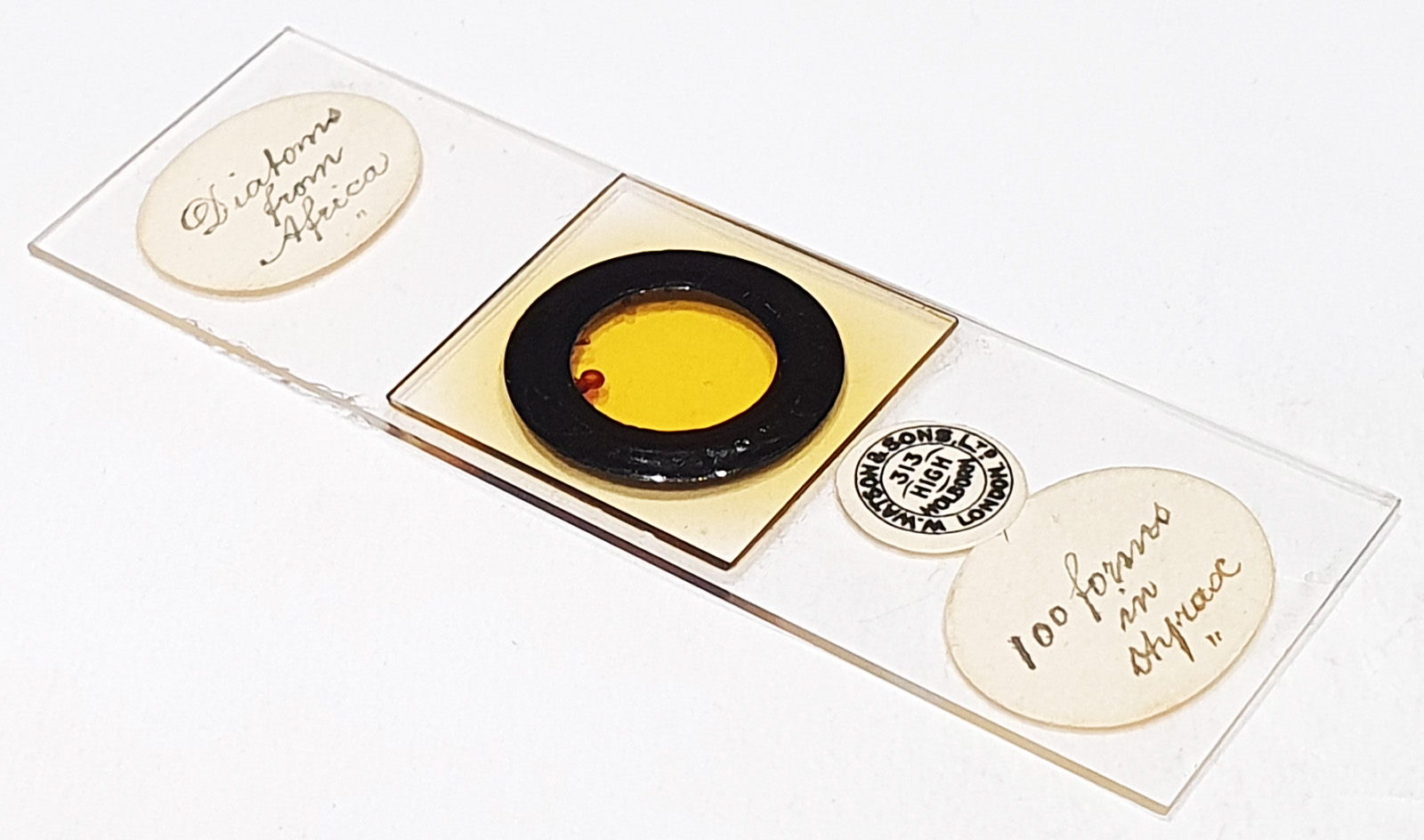
An arrangement of 100 forms from the Africa. Mounted in Styrax. Prepared by Watson and Sons Ltd. The mount is on a square glass piece which is then mounted onto another slide. Mountant is yellowed. Olympus BHB microscope using 450nm LED light. I selected a few diatoms for imaging at higher resolution. 63x Leitz Pl Apo 1.4 objective, oil immersion. Olympus Aplanat Achromat condenser, oil immersion, oblique lighting. 2.5x Nikon CF PL photoeyepiece. Monochrome converted Nikon d850 camera. Image stacks prepared in Zerene (Pmax). A few question marks with this one….
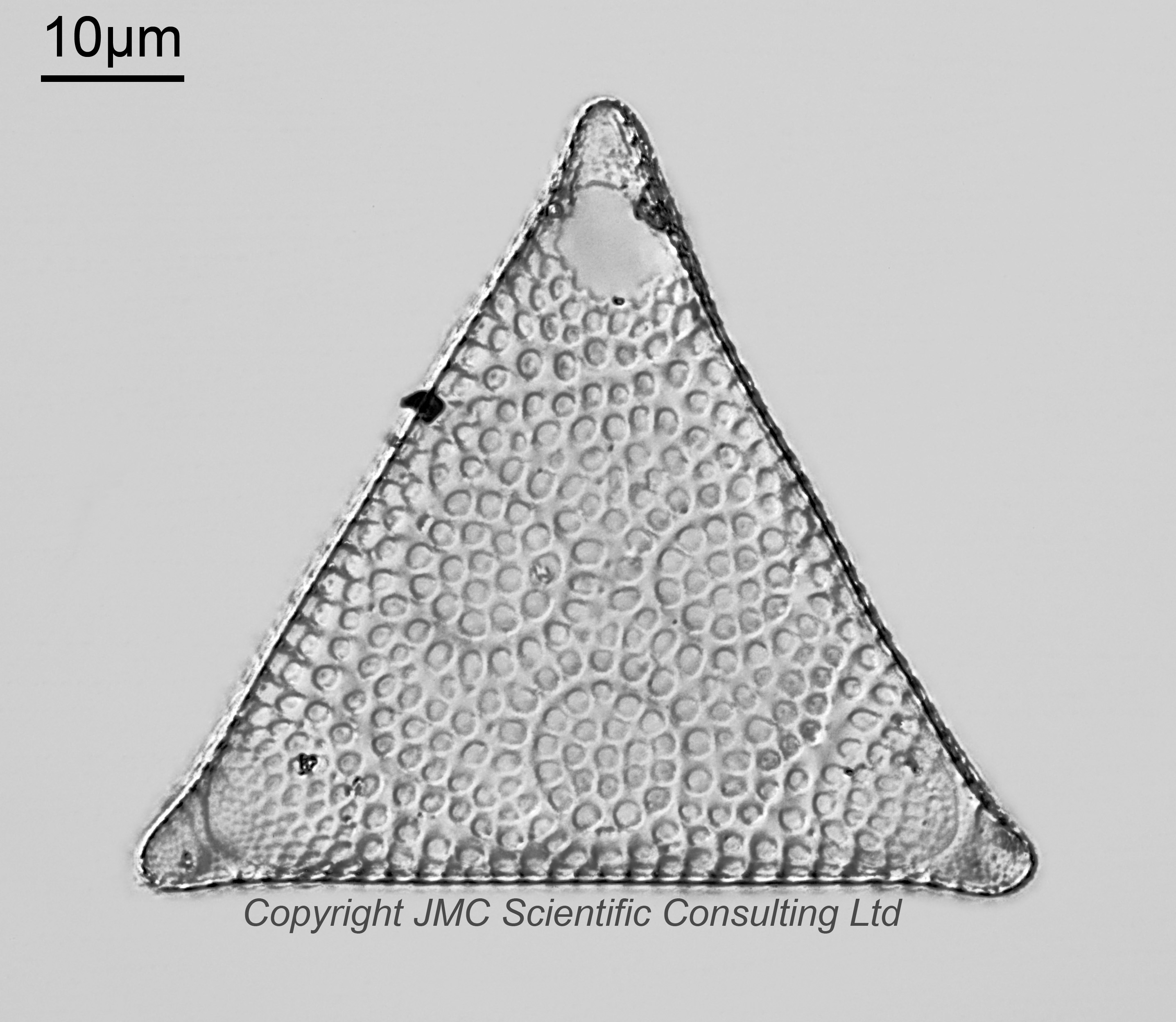
Triceratium sculptum? Underside view. Fairly sure on this one. Really nice structure, with the three circular features visible. Schmidt’s Atlas, Plate 76, Figures 9 and 10. Accepted name: Biddulphia sculpta (Shadbolt) Van Heurck, 1885 accepted as Triceratium sculptum var. sculptum Shadbolt, 1854. Original description of Triceratium sculptum var. sculptum Shadbolt, 1854; Shadbolt, G. (1854). A short description of some new forms of Diatomaceae from Port Natal. Transactions of the Microscopical Society, New Series, London, 2(1): 13-18, pl. 1. Page 15, Plate 1, Figure 4.
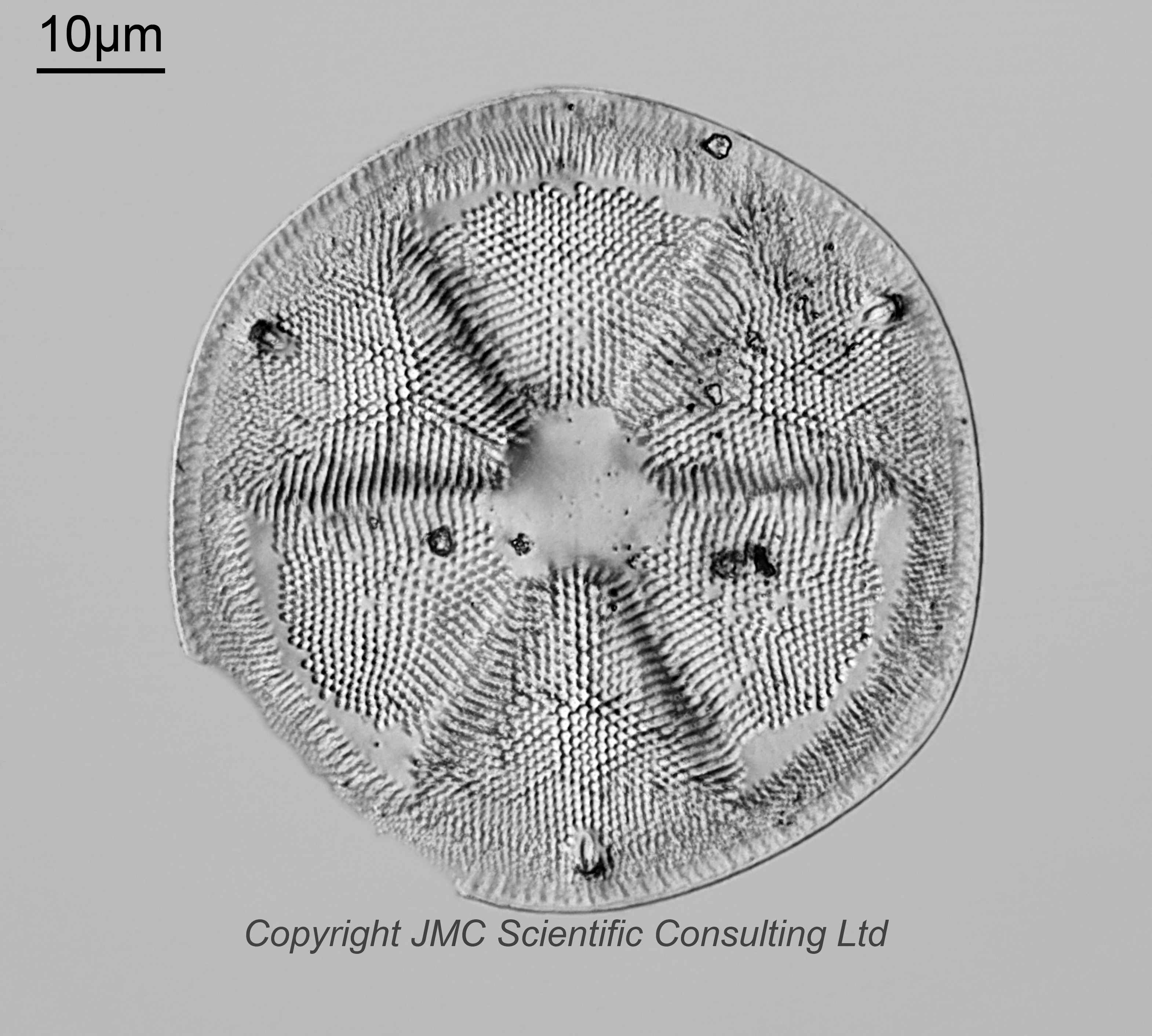
Actinoptychus sp. Maybe Actinoptychus hexagonus (or variant) but not sure on this.
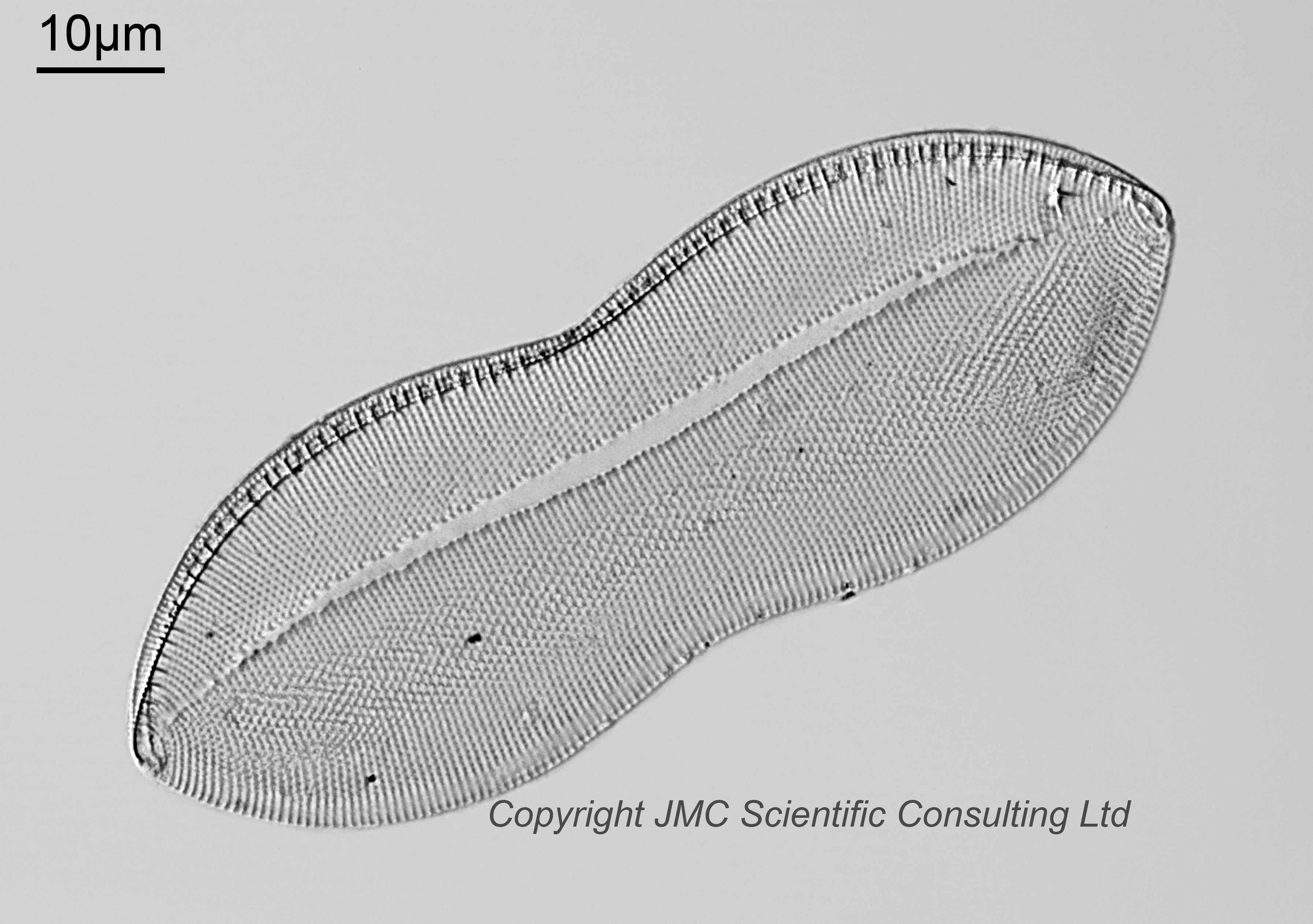
Psammodictyon sp. Could be Psammodictyon roridum (it’s a good visual match). Psammodictyon roridum (Giffen) D.G.Mann 1990. Published in: Round, F.E., Crawford, R.M. & Mann, D.G. (1990). The diatoms. Biology and morphology of the genera. pp. [i-ix], 1-747. Cambridge: Cambridge University Press. Page 676.